


Fair Shine industrial (Hong Kong) Co., Limited
To provide customers with the most comprehensive precision mold parts solutions.

2026-05-26 14:50:02
The manufacturing quality of plastic pens depends heavily on the materials used in the mold production process. A high-quality stationery pen mold is designed to achieve precise dimensions, smooth surfaces, and efficient mass production for various writing instruments. From simple disposable pens to premium office products, selecting the right mold materials is essential for durability, precision, and production efficiency.
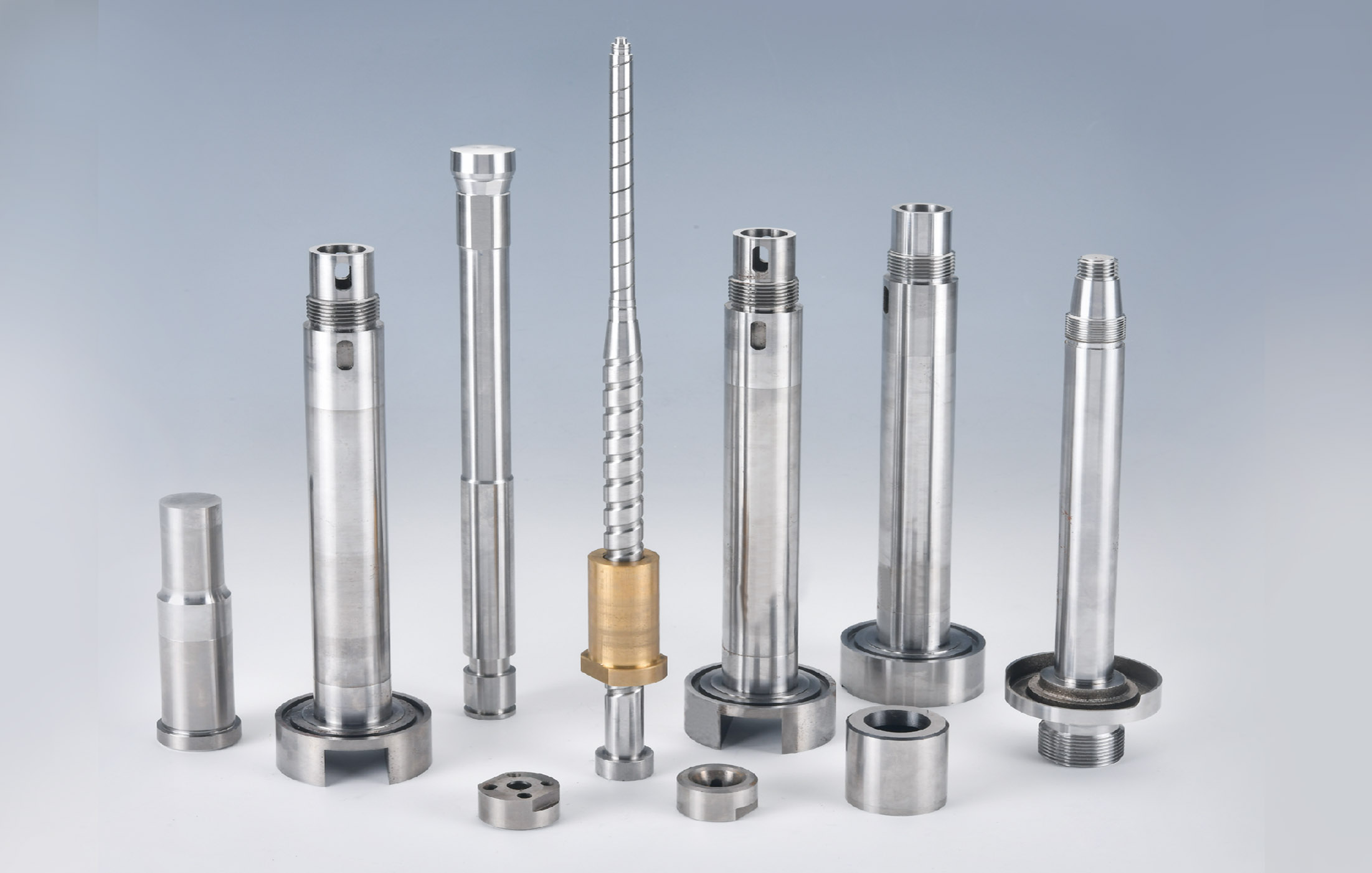
One of the most commonly used materials in a pen mold is hardened steel. Mold steel offers excellent wear resistance, strength, and long service life, making it ideal for large-scale Injection Molding production. Since pen manufacturing often requires millions of repeated injection cycles, durable steel materials help maintain consistent product quality while reducing maintenance costs.
Several types of steel are widely used in plastic pen mold manufacturing. P20 steel is a popular choice because it provides good machinability, durability, and cost efficiency for medium-volume production. For higher precision and longer mold lifespan, manufacturers often choose H13 steel or stainless steel materials. H13 mold steel offers excellent heat resistance and hardness, making it suitable for high-speed production environments and complex mold structures.
In some prototype or low-volume production projects, aluminum molds may also be used. Aluminum materials are lightweight and easier to machine, which shortens manufacturing time and lowers initial costs. However, compared to hardened steel, aluminum molds generally have a shorter lifespan and lower wear resistance. For high-volume ballpoint pen mold production, steel remains the preferred material due to its superior durability.
The internal mold components of a pen injection mold also require specialized materials. Core pins, ejector pins, sliders, and guide components are often made from hardened alloy steel to improve precision and resistance to friction. These components experience constant movement during production, so high-strength materials help maintain stable mold performance over time.
Surface treatment technologies further improve mold quality and longevity. Many stationery pen mold manufacturers apply polishing, nitriding, chrome plating, or coating treatments to reduce wear and improve surface smoothness. A highly polished mold cavity creates smoother plastic pen surfaces, improving both product appearance and user experience.
Cooling systems inside the mold are another important factor. Copper alloy inserts are sometimes used in high-speed production molds because copper materials provide excellent thermal conductivity. Faster cooling improves production efficiency and helps reduce molding cycle time during mass production.
Precision is especially important in pen manufacturing because even small dimensional errors can affect ink flow, pen Assembly, and writing performance. High-quality mold materials help maintain tight tolerances and stable production consistency. This is particularly important for multi-cavity plastic pen molds used in automated manufacturing systems.
Modern stationery pen mold manufacturing combines advanced steel materials, Precision Machining, and surface treatment technologies to support efficient large-scale production. Whether producing disposable pens, gel pens, or premium writing instruments, selecting the right materials for a pen injection mold ensures better durability, higher efficiency, and consistent product quality in competitive stationery manufacturing industries.

Fair Shine industrial (Hong Kong) Co., Limited
To provide customers with the most comprehensive precision mold parts solutions.
+86 189 2682 6341
Block 1, No. 12, Wusong 4th Street, Yuwu Industrial Zone, Dongcheng District, Dongguan, Guangdong, China
Copyright © 2026 Dongguan Huixiang Mold Technology Co., Ltd all rights reservrd.
Technical support: HuaShang