


Choosing the right precision stamping mold is an important decision for manufacturers producing high-precision metal components. The mold directly affects dimensional accuracy, production efficiency, tooling life, part quality, and overall manufacturing cost. A suitable stamping mold can help maintain consistent part dimensions and support stable mass production, while an unsuitable design may result in excessive wear, material waste, burrs, deformation, or frequent maintenance.
For engineers, product designers, and purchasing managers, the right choice should be based on the complete production requirement rather than mold price alone. Material type, part geometry, required tolerance, production volume, stamping process, equipment, and expected service life should all be considered before selecting a precision stamping mold.
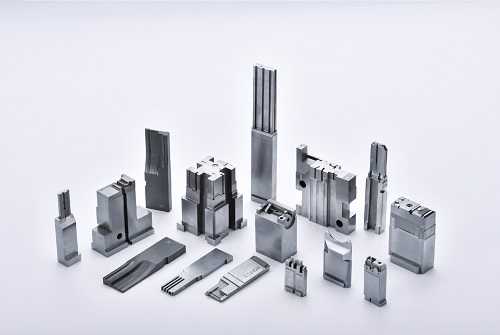
What Is a Precision Stamping Mold?
A precision stamping mold, also known as a precision stamping die, is a specialized tooling system used to form or cut sheet metal into specific shapes with high dimensional accuracy. Depending on the application, the tooling may perform operations such as blanking, punching, bending, forming, drawing, or a combination of multiple processes.
Precision stamping molds are commonly used to manufacture small and complex metal components for electronics, automotive systems, electrical equipment, appliances, medical devices, and other industrial products.
Compared with conventional stamping tooling, precision tooling generally places greater emphasis on dimensional control, material selection, machining accuracy, surface finish, die alignment, and process stability.
1. Understand Your Part Design First
The first step in selecting a precision stamping mold is to understand the part that needs to be manufactured. The geometry of the component determines the required tooling structure and stamping process.
Important design information includes:
Overall part dimensions
Material thickness
Material type
Number and size of holes
Bending features
Drawing depth
Required dimensional tolerances
Surface finish requirements
Critical functional dimensions
Simple flat components may require relatively straightforward blanking or punching tooling, while complex components may require progressive dies or multi-stage forming processes.
2. Consider the Material and Thickness
The material being stamped has a major influence on mold design. Different metals have different levels of hardness, tensile strength, ductility, springback, and wear characteristics.
Common stamping materials include:
Carbon steel
Stainless steel
Aluminum
Copper
Brass
Nickel alloys
Other specialty metal materials
Material thickness is equally important. The clearance between the punch and die must be appropriately matched to the material and stamping operation. Incorrect clearance can increase burr formation, reduce edge quality, accelerate tool wear, or negatively affect dimensional accuracy.
When requesting a quotation from a precision stamping mold manufacturer, always provide the exact material specification and thickness whenever possible.
3. Define the Required Tolerance
Not every stamped component requires the same level of precision. Before selecting tooling, identify the dimensions that are critical to the final Assembly and determine the required tolerances.
Tighter tolerances generally require greater control over mold design, machining, material selection, alignment, and stamping conditions. They may also increase tooling and manufacturing costs.
For this reason, it is important to distinguish between critical dimensions and non-critical dimensions. Applying unnecessarily tight tolerances to every feature can increase production costs without providing meaningful functional benefits.
4. Select the Appropriate Stamping Die Structure
Different stamping processes require different mold structures. The most suitable solution depends on part complexity, production volume, material, and required operations.
Progressive Stamping Die
A progressive die performs multiple operations as the metal strip moves through a series of stations. It can combine punching, bending, forming, and other operations into a continuous production process.
Progressive dies are particularly suitable for high-volume production because they can provide consistent output and reduce manual handling.
Single-Stage Stamping Die
A single-stage or simple stamping die performs one or a limited number of operations in each press cycle. It can be suitable for relatively simple components, lower production volumes, prototypes, or applications where progressive tooling is not economically justified.
Deep Drawing Die
Deep drawing tooling is used when a flat metal blank needs to be formed into a cup-like or three-dimensional shape. The design must account for material flow, drawing depth, wall thickness, lubrication, and the possibility of wrinkling or cracking.
Selecting the correct tooling structure at the beginning can significantly affect production efficiency and part quality.
5. Match the Mold With Your Stamping Equipment
A precision mold must be compatible with the stamping press used for production. Before finalizing the tooling design, confirm the press specifications and available production conditions.
Key equipment parameters may include:
Press tonnage
Maximum stroke
Stroke rate
Die height
Working area
Feed system
Strip width
Maximum material thickness
The required press capacity should be determined according to the material, part geometry, cutting or forming operations, and production process. A mismatch between the mold and stamping equipment can reduce efficiency and potentially shorten tooling life.
6. Consider Production Volume
Expected production volume is one of the most important factors when selecting a precision stamping die.
For prototypes or small batches, a simpler tooling solution may provide a better balance between initial investment and production requirements. For millions of parts, a high-speed progressive die may provide better long-term economics despite its higher initial tooling cost.
Therefore, purchasing decisions should consider the total cost over the expected production life rather than comparing tooling quotations based only on the initial price.
7. Pay Attention to Mold Material and Heat Treatment
The material used for punches, dies, inserts, and other wear components directly affects tooling performance.
Depending on the application, manufacturers may use different grades of tool steel or carbide for specific components. The appropriate choice depends on factors such as material hardness, production volume, stamping speed, required wear resistance, and part accuracy.
Heat treatment can also influence hardness, toughness, dimensional stability, and service life. For high-volume precision stamping applications, appropriate material selection and heat treatment are particularly important.
8. Consider Surface Treatment and Wear Resistance
Some precision stamping applications require additional surface treatment to improve wear resistance, reduce friction, or extend tooling life.
Depending on the application, suitable surface engineering methods may be considered for punches, dies, and other high-wear components.
This can be particularly useful when stamping hard materials, abrasive materials, or when the tooling operates at high production speeds.
9. Evaluate Mold Manufacturing Accuracy
The performance of a precision stamping mold depends heavily on the accuracy of its individual components and final assembly.
Modern tooling manufacturers may use CNC Machining, precision grinding, Wire EDM, EDM, coordinate measuring equipment, and other manufacturing technologies to control critical dimensions.
When evaluating a precision stamping mold supplier, ask about:
Machining capabilities
Dimensional inspection equipment
Tool assembly procedures
Trial stamping and testing
Quality control procedures
Engineering capabilities
Experience with similar materials and components
A supplier with appropriate engineering and inspection capabilities can help identify potential tooling problems before mass production begins.
10. Think About Maintenance and Service Life
A precision stamping mold is a long-term production asset. Maintenance requirements should therefore be considered during the design stage.
A well-designed mold should allow critical wear components to be inspected, maintained, and replaced when necessary. Standardized or replaceable inserts can sometimes simplify maintenance and reduce downtime.
Regular cleaning, lubrication where required, inspection, and timely replacement of worn components can help maintain consistent stamping quality and extend tooling service life.
What Should You Provide to a Precision Stamping Mold Manufacturer?
Providing complete technical information can help a manufacturer evaluate your project accurately and provide a More reliable quotation.
Ideally, prepare:
2D engineering drawings
3D CAD files when available
Material specification
Material thickness
Required tolerances
Annual or estimated production volume
Target production speed
Available stamping press specifications
Surface treatment requirements
Special quality requirements
If you do not have a finalized mold design, an experienced manufacturer may also be able to review the part design and recommend a suitable tooling structure.
How Much Does a Precision Stamping Mold Cost?
There is no fixed price for a custom precision stamping mold. Tooling cost depends on several factors, including part complexity, material, tolerances, mold size, number of stations, tooling material, machining requirements, heat treatment, surface treatment, and expected production volume.
A simple stamping die may have a relatively low initial cost, while a complex multi-station progressive die can require significantly more engineering and manufacturing work.
Instead of choosing the cheapest quotation, buyers should consider tooling life, production efficiency, maintenance requirements, part quality, and the manufacturer's technical support. A higher initial investment can sometimes result in a lower total cost per part over a long production run.
Key Factors to Compare When Choosing a Supplier
| Factor | What to Check |
|---|---|
| Engineering | Design experience and technical support |
| Manufacturing | CNC, grinding, EDM and other capabilities |
| Precision | Dimensional control and inspection processes |
| Materials | Tool steel, carbide and heat-treatment options |
| Testing | Trial stamping and quality verification |
| Service | Maintenance, modification and after-sales support |
FAQ
1. What is the most important factor when choosing a precision stamping mold?
The most important factor is whether the mold matches the part design, material, required tolerance, production volume, and stamping equipment. These factors should be evaluated together.
2. Are progressive dies suitable for high-volume production?
Yes. Progressive dies are often suitable for high-volume production because multiple operations can be integrated into a continuous stamping process.
3. How can I extend the service life of a stamping mold?
Appropriate tooling materials, accurate machining, proper heat treatment, suitable maintenance, correct press settings, and timely replacement of worn components can help extend mold life.
4. Can a precision stamping mold be customized?
Yes. Custom stamping molds can be designed according to specific part drawings, materials, tolerances, production volumes, and press requirements.
5. How do I choose a precision stamping mold manufacturer?
Evaluate the manufacturer's engineering experience, machining capabilities, quality control, inspection equipment, tooling materials, production capacity, and experience with similar stamping projects.
Choosing the right precision stamping mold requires a complete understanding of the product, material, tolerance, production volume, stamping process, and manufacturing equipment. The goal is not simply to purchase a mold at the lowest initial price, but to select a tooling solution that can consistently produce qualified parts while maintaining reasonable production efficiency and tooling life.
For complex or high-volume projects, working with an experienced precision stamping mold manufacturer can provide valuable support during mold design, material selection, process planning, testing, and production optimization.
By evaluating tooling structure, material, precision, durability, maintenance, and supplier capabilities before placing an order, manufacturers can reduce production risks and build a more reliable stamping process.
