


A die casting mold is a precision tool used to produce metal components by injecting molten metal into a mold cavity under high pressure. The mold determines the shape, dimensions, surface finish, and many of the functional features of the final casting.
For manufacturers producing aluminum, zinc, magnesium, and other die-cast components, proper mold design and manufacturing are essential for achieving stable production, consistent part quality, and reasonable cycle times. This guide explains the main die casting mold components, common mold types, key design considerations, manufacturing processes, and maintenance requirements.
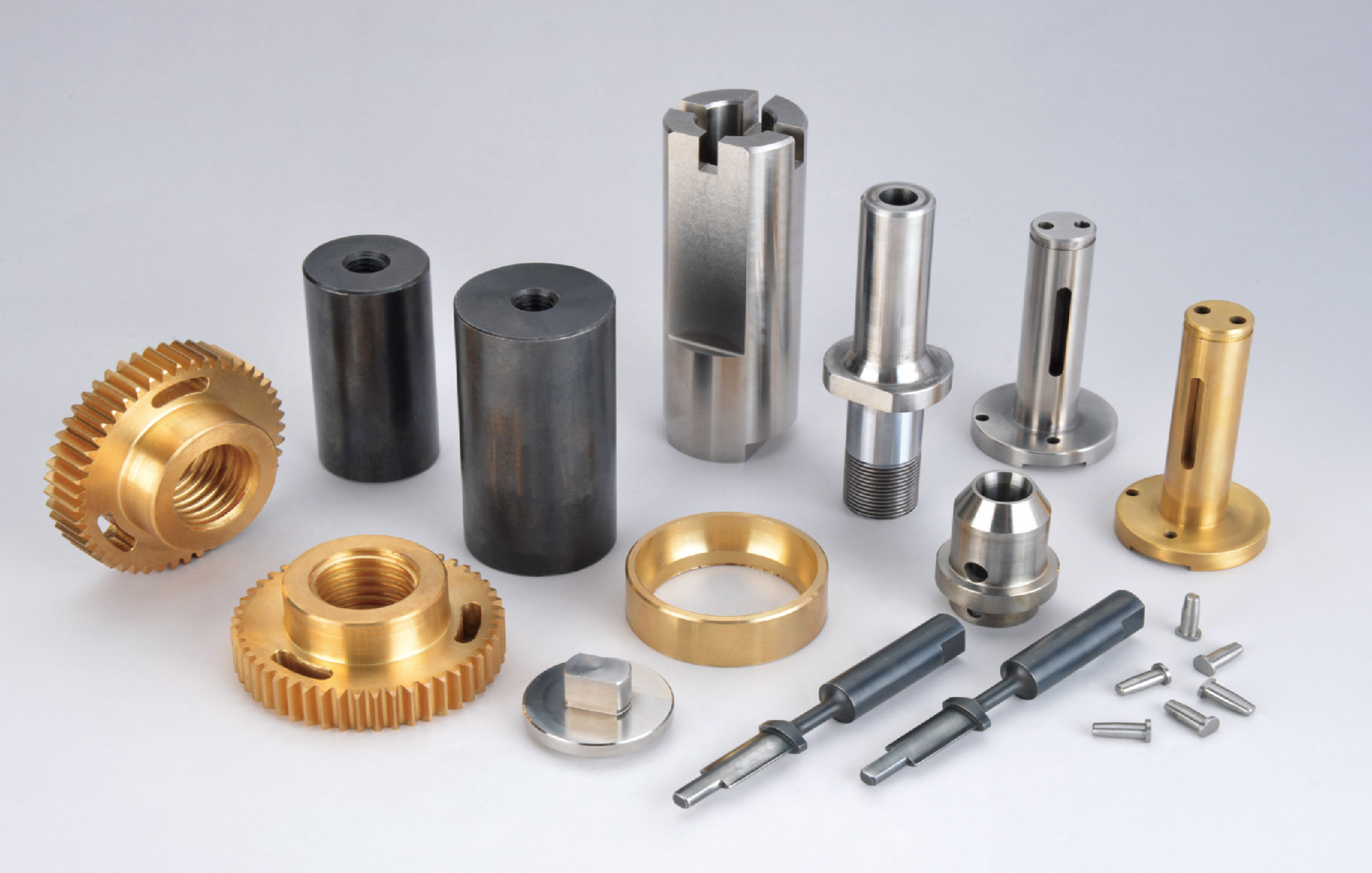
What Is a Die Casting Mold?
A die casting mold, also called a die casting die, is a reusable tooling system that contains one or More cavities corresponding to the required casting geometry. During production, molten metal is injected into the cavity under pressure and solidifies to form the desired component.
Unlike single-use molds used in some other casting processes, die casting molds are designed for repeated production cycles. Their service life depends on factors such as mold material, casting alloy, production volume, injection conditions, cooling system design, and maintenance.
Main Components of a Die Casting Mold
A die casting mold consists of multiple components that work together to form, fill, cool, and release the casting. The exact configuration varies according to the machine, part design, and production requirements.
1. Cavity and Core
The cavity and core create the shape of the finished casting. The cavity generally forms the external surfaces, while the core forms internal features or recessed areas.
These components require precise machining because their dimensions directly influence the geometry and surface quality of the cast part.
2. Die Plates
Die plates support and locate the mold components. Depending on the mold structure, fixed and moving die plates hold the cavity, core, inserts, and other components in their required positions.
The plates also provide the structural support required to withstand the high pressures generated during metal injection.
3. Sprue, Runner, and Gate System
The gating system controls the flow of molten metal into the mold cavity. It may include a sprue, runners, gates, and related flow passages.
The design of these passages affects filling behavior, metal flow, solidification, air entrapment, and material utilization. An appropriately designed gating system can contribute to more consistent casting quality.
4. Overflow and Venting System
Vents and overflow areas help manage air and excess material during cavity filling. Proper venting is important because trapped air can contribute to porosity, incomplete filling, and other casting problems.
5. Cooling Channels
Cooling channels circulate a cooling medium through the mold to control mold temperature and support solidification. Their location and configuration can influence cycle time, thermal balance, and casting quality.
Effective cooling design is particularly important for molds used in high-volume production.
6. Ejector System
After the metal has solidified, the ejector system removes the casting from the mold. Ejector pins and related components apply controlled force to release the part without causing unnecessary deformation or surface damage.
7. Mold Inserts
Inserts can be used for complex features, localized wear areas, or sections that may require replacement during the mold's service life. Replaceable inserts can also simplify maintenance and reduce the cost of repairing certain mold areas.
What Are the Main Types of Die Casting Molds?
Die casting molds can be classified in several ways according to mold structure, cavity configuration, production requirements, and the die casting process used.
Single-Cavity Die Casting Mold
A single-cavity mold produces one casting per injection cycle. It is often suitable for prototypes, lower-volume production, or components where a single cavity provides an appropriate balance between tooling investment and output.
Multi-Cavity Die Casting Mold
A multi-cavity mold contains multiple identical cavities and can produce several parts during one cycle. This configuration can increase production output and improve productivity for high-volume manufacturing.
Family Mold
A family mold can produce different but related components in the same molding cycle. It may be useful when several components share similar production requirements, although filling balance and process control require careful consideration.
Hot Chamber Die Casting Mold
Hot chamber die casting is commonly associated with metals that can be processed within the operating conditions of a hot chamber system, such as many zinc alloys. The injection system is integrated with the molten metal system, allowing relatively rapid cycling.
Cold Chamber Die Casting Mold
Cold chamber die casting is commonly used for alloys such as aluminum and magnesium. Molten metal is transferred into the shot sleeve before injection. Mold design must account for the higher temperatures and process conditions associated with the selected alloy and machine.
How Is a Die Casting Mold Designed?
Die casting mold design starts with the requirements of the final component. Engineers need to consider part geometry, material, dimensional tolerances, production volume, machine specifications, cooling requirements, ejection, and metal flow.
Part Geometry
The shape and complexity of the component determine the basic mold structure. Features such as ribs, bosses, deep cavities, thin walls, holes, undercuts, and complex surfaces may require special inserts, slides, or other mechanisms.
Draft Angle
Draft allows the casting to be removed from the mold more easily. Insufficient draft can increase the risk of sticking, surface damage, and difficult ejection.
Parting Line
The parting line is the location where the mold separates to release the casting. Its position should be selected carefully to support effective filling, ejection, machining, and visual quality.
Gating and Metal Flow
The gate location and runner configuration influence how molten metal enters and fills the cavity. Engineers may use simulation and process analysis to evaluate filling patterns and identify potential problems before manufacturing the tooling.
Cooling Design
Cooling channels should be positioned to provide appropriate thermal control around critical areas of the mold. Uneven cooling can contribute to differences in solidification behavior and may affect dimensional stability.
Ejection Design
Ejector pins and other mechanisms should be positioned according to the geometry and strength of the casting. The ejection system should provide sufficient force while minimizing visible marks and deformation.
What Materials Are Used for Die Casting Molds?
Die casting molds must withstand repeated exposure to high temperatures, pressure, thermal cycling, and mechanical stress. For this reason, specialized tool steels are commonly selected for mold components.
The material selection depends on the casting alloy, operating temperature, expected production volume, cooling conditions, and required mold life.
Important material properties may include:
High-temperature strength
Thermal fatigue resistance
Wear resistance
Toughness
Dimensional stability
Machinability and heat-treatment performance
Heat treatment may also be used to achieve the required mechanical properties and service performance of critical mold components.
Die Casting Mold Manufacturing Process
The manufacturing process converts the mold design into precision-machined tooling. A typical workflow may include the following steps.
1. Design and Engineering Review
The process begins with a 3D CAD model and engineering requirements. Engineers review the component geometry, parting line, draft, gating, cooling, ejection, and machine compatibility before finalizing the mold design.
2. Material Preparation
Suitable mold steel is selected and prepared according to the design requirements. Material certification and traceability may be maintained for production tooling when required by the customer.
3. CNC Machining
CNC milling, drilling, turning, and other machining processes are used to manufacture mold plates, cavities, cores, inserts, and related components.
Complex cavity surfaces may require advanced CNC Machining strategies to achieve the required geometry and surface finish.
4. EDM Machining
Electrical discharge machining (EDM) can be used to produce intricate features that are difficult to manufacture using conventional cutting tools. EDM is particularly useful for certain deep cavities, sharp internal features, and complex geometries.
5. Heat Treatment
Selected mold components may undergo heat treatment to achieve the required hardness, strength, wear resistance, and thermal fatigue performance.
6. Grinding and Finishing
Grinding and other finishing operations are used to achieve tighter dimensional requirements and improve critical mold surfaces. Polishing may also be applied when the casting requires a specific surface finish.
7. Mold Assembly
After individual components are completed and inspected, the mold is assembled. Engineers verify component alignment, movement, ejection, inserts, slides, and other mechanisms.
8. Trial and Validation
A mold trial allows the manufacturer to evaluate filling, ejection, dimensions, surface quality, cycle behavior, and other production characteristics. Adjustments may be made before the tooling is released for mass production.
How Does Die Casting Mold Design Affect Part Quality?
Mold design has a direct influence on the consistency of die-cast components. Poorly designed gating, cooling, venting, or ejection systems can create production problems even when the mold itself is manufactured accurately.
Common issues associated with unsuitable mold or process design may include:
Incomplete filling
Porosity
Flash
Dimensional variation
Surface defects
Excessive cycle time
Difficult ejection
Premature mold wear
Design optimization should therefore consider the mold and casting process as a complete system rather than treating individual components separately.
How Long Does a Die Casting Mold Last?
There is no universal service life for a die casting mold. Mold life depends on the mold material, casting alloy, production volume, injection conditions, thermal cycling, cooling system, maintenance, and design quality.
High-volume production can place significant thermal and mechanical demands on the mold. Regular inspection and maintenance can help identify wear before it causes major production problems.
Replaceable inserts and wear components can also make certain repairs more practical and extend the useful service period of the overall tooling system.
How to Maintain a Die Casting Mold?
Regular mold maintenance helps maintain production consistency and reduce unexpected downtime. Maintenance procedures should be established according to the mold design and actual production conditions.
Clean the mold surfaces and remove accumulated residues.
Inspect cavities, cores, inserts, and parting surfaces for wear or damage.
Check cooling channels for blockages or abnormal flow.
Inspect ejector pins and moving components.
Check slides, guide components, and other moving mechanisms.
Monitor areas where flash or dimensional changes may indicate mold wear.
Repair or replace damaged components when necessary.
How to Choose a Die Casting Mold Manufacturer?
Choosing the right die casting mold manufacturer is important when developing custom tooling. A capable supplier should be able to support the project from design review through mold manufacturing, trial production, and maintenance.
When evaluating a supplier, consider the following factors:
Engineering capability: Check experience with mold design, flow analysis, cooling, and ejection systems.
Machining equipment: Review available CNC, EDM, grinding, and inspection equipment.
Material control: Confirm mold steel selection, heat treatment, and material traceability.
Quality inspection: Ask about dimensional inspection and mold trial procedures.
Production experience: Look for experience with the required casting alloy and component type.
Customization: Confirm the manufacturer's ability to develop tooling according to drawings, CAD files, and production requirements.
After-sales support: Consider whether the supplier can provide mold repair, modification, and maintenance support when required.
Frequently Asked Questions
What is a die casting mold used for?
A die casting mold is used to form metal components by injecting molten metal into a precision mold cavity under pressure. The mold can be reused for repeated production cycles.
What are the main components of a die casting mold?
Typical components include the cavity, core, die plates, gating system, vents, cooling channels, ejector system, inserts, and various guide and positioning components.
What metals can be used with die casting molds?
Common die casting alloys include aluminum, zinc, and magnesium alloys. The appropriate mold design and material depend on the selected alloy and die casting process.
Can die casting molds be customized?
Yes. Die casting molds are normally designed according to the geometry, dimensions, material, production volume, machine specifications, and quality requirements of the target component.
How long does it take to manufacture a die casting mold?
Lead time varies according to mold complexity, dimensions, number of cavities, special mechanisms, material requirements, machining processes, and trial requirements. A manufacturer can provide a more accurate schedule after reviewing the part design and tooling specifications.
What files are needed to design a custom die casting mold?
A 3D CAD model and 2D engineering drawing are typically useful for mold design. Information about material, annual production volume, dimensional tolerances, surface finish, die casting machine, and other production requirements can also help the manufacturer develop the tooling.
Conclusion
A die casting mold is a critical component of the die casting production process. Its cavity, core, gating system, cooling channels, ejection system, and other components must work together to achieve stable and repeatable production.
From initial design and material selection to CNC Machining, EDM, heat treatment, assembly, and trial production, every stage can influence mold performance and casting quality. For custom projects, working with an experienced die casting mold manufacturer can help ensure that the tooling is designed around the required part geometry, material, production volume, and machine conditions.
When sourcing custom die casting molds, providing complete technical information and discussing the application requirements with the manufacturer can help establish an appropriate tooling solution and production plan.
